As a member of a left-leaning (to put it lightly) union, I’ve noticed that we are not really exempt from the same phenomena as other left spaces. Picture it. You’re in a meeting about an issue. All of a sudden a loud activist type takes the floor and makes it all about them, derailing the meeting and going off topic about their pet issue. The chair tries to intervene, but to no avail. Now the activist is saying that the chair is problematic and counter revolutionary in some manner. The shocking thing is, the activist often isn’t even a member of the group they are purporting to represent. It’s emblematic of the savior dynamic we see from the liberal left quite frequently.
Loud activist types occasionally have the ability to attract widespread support for a project. That’s not really new. But what can be hard to counter is when a loud individual co-opts a struggle and takes the lead in decisionmaking and speaking for that group. You’ve probably heard of it if you haven’t experienced it yourself. This happens a lot when there is a lack of structure. It’s why decisionmaking by majority vote is important, and running tight meetings with a chair to keep order.
This has happened within a lot of modern movements, from small ones like Kony 2012 to Black Lives Matter. Shaun King was one of the loudest voices during the peak of the Black Lives Matter movement. He channeled his writing and energies into doing fundraising, even starting a Political Action Committee. What made the news cycle was the fact that his parents on his birth certificate are both white people, and he had possibly falsely claimed an identity he did not have. But what is more relevant to the story of Shaun King is that a lot of the money he was able to gather from donors ultimately did not reach its intended targets. He was a grifter and a conman. He was a wealthy academic type who had very little in common with the people he was purporting to represent. He hurt a lot of people.
Black Lives Matter was founded by three black women, Patrice Cullors, Ayo Tometi, and Alicia Garza in 2013 after the brutal murder of 17-year-old Trayvon Martin. These were working-class women with the organizing skills to spark a mass movement against police brutality and for black empowerment.
Enter Shaun King, grifter extraordinaire, eloquent, and with the academic accolades to be a liberal darling. For years lefties would share thinkpieces and fundraisers by King unaware that he was utilizing BLM for profit. King was able to claim a place in this movement largely because of its decentralization, and also because he was so good at convincing people that he was there for the movement itself.
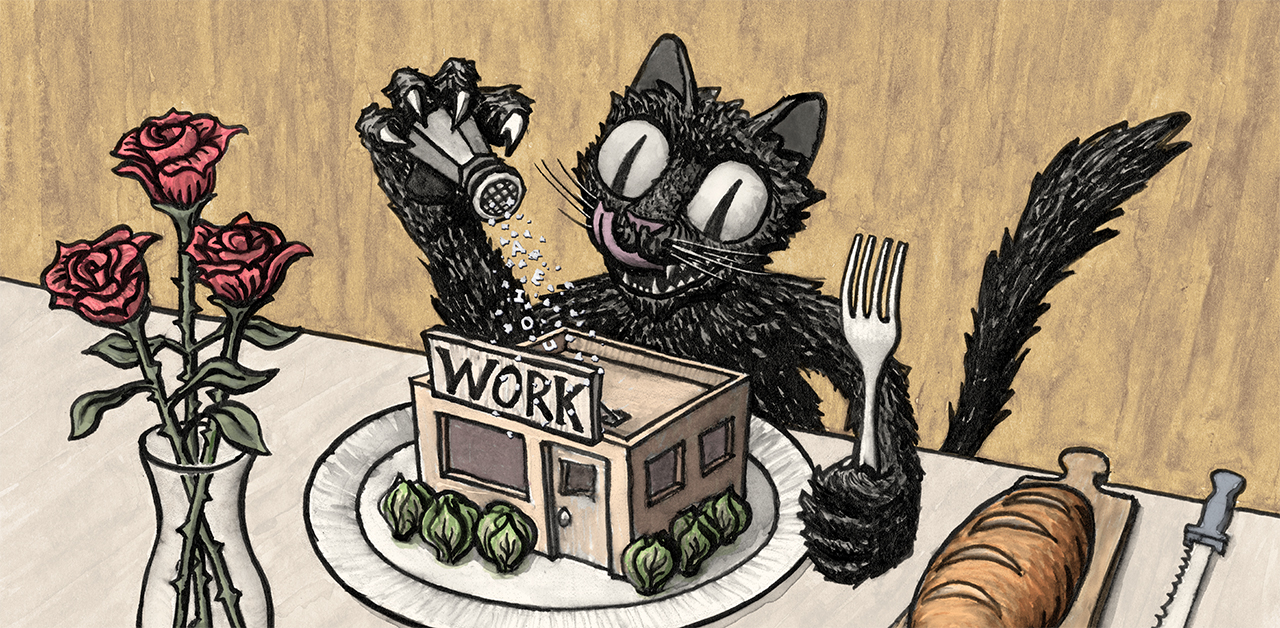
This is the type of personality we have to beware of in organizing spaces. The showman. They can speak the language well and convince people with their words. Sometimes they even will break bread with you and earnestly talk about their ideas. But there’s something off with their actions. Typically digging a little deeper leads to their true motivations.
For King it was money. His net worth isn’t public but is estimated to be at least $1 million. That’s a lot for a purported activist who claims to speak for working class black Americans. King was able to make a career out of “the struggle” and monetize others’ suffering. He purported to be giving Black Lives Matter a platform, but it became obvious that this was his grift.
I do not blame anyone involved with that movement of course. Shaun King is a despicable human being who took advantage of people’s willingness to help and belief in his good intentions. I also think that over the years we learn what works and doesn’t work, and the idea that someone would join a movement just to turn it into a grift was relatively new. Now we are more familiar with it and can identify it and hopefully prevent it.
So how can we identify these showman types without accidentally badjacketing people who just have shortsighted ideas?
It’s time to ask some questions. Answering yes to one of them or even the first few does not mean they’re bad news, but the sum total raises some questions.
- Firstly, are they a member of the group they are seeking to help?
- Is the project relevant to the aims of the organization?
- Are they asking for money?
- Have they already received money?
- Do they refuse to answer questions about where the money is going?
- Do they refuse to provide receipts upon request?
- Are they defensive when challenged on their ideas?
- Are they defensive when the organization tells them no?
- Do they respond to criticism with accusations?
If they’ve answered yes to all of the above, this is a major red flag for any organization or movement. If we can’t disagree with ideas, if we can’t say no to budgetary requests, if we can’t dissent without being labeled conservative, reactionary, bigoted, or otherwise lacking in revolutionary spirit, something is very wrong here. This kind of behavior is antithetical to the type of radically democratic and caring union we are trying to build.
My suggestion, if the answer to many of these questions is a resounding “yes,” would be to decline their proposal and end support for their project. Providing records and receipts is basic accountability. I could understand being defensive when being told no if someone is incredibly passionate. But if you add a lot of these questions together it results in a big personality who attracts financial support because people are too afraid to stand up to them, not because they think their ideas are good or helpful.
Luckily within the IWW, we already have a solid foundation. We are governed by our democratic rules and principles, our Constitution and Manual of Policies and Procedures. We have yearly officer elections and term limits. Our main goal is outlined in our Preamble. There is room for improvement. It remains obvious that elections are not competitive, and we get bad years with unfocused officers followed by clean-up years with determined officers who get us back on track.
But in those bad years those officers are still able to enter into contracts with staff, allocate the budget, and determine the direction of our organization. In order to remedy this, we should tighten things up. We need to make running for officerships something that any worker-organizer might be interested in. The majority of the rank-and-file should be able to serve on our Executive Board or run for treasurer for a year.
We also need to make sure membership has oversight of any contract entered into by our officers. Our Member Convention must be able to approve or reject any contract with union staff. Too many times in the past a bad slate of officers gave away massive perks and bonuses to their friends on staff, or hired their friends and overpaid them, or signed away our rights to oversee our union in a terrible contract. It has caused a lot of strife when a new slate of good officers has to come in and negotiate down a contract to what the union can actually afford and sustain. Giving Convention the ability to approve or reject contracts removes the ability of bad officers to abuse executive power.
Finally, we are a labor union. Anything that is secondary to organizing on the shopfloor really doesn’t need to be a primary objective, especially when it siphons away dues money that should be intended for strengthening our organizing, having more organizer trainings, and reserving some in case of the need for a strike. There is not enough time or money from our engaged members for side projects that don’t help with basic administration of the union. Just look at how few officers ran for General Administration positions in the past couple of years. We barely have interest in those. This is the basic bureaucratic function of the union with the boring paperwork to be filed and bills that need to be paid. If we get back to basics and focus on workplace organizing, grifters and even well-intentioned but shortsighted activists aren’t going to be able to siphon away our dues money and our focus. Let’s not lose sight of the main objective and fall prey to the showman.
Disclaimer: The opinions expressed in this article are those of the author. They do not purport to represent that of the IWW or Industrial Worker as a whole.
This piece originally appeared in the 2026 Autumn print edition of Industrial Worker.